Choose one GCC launch market before discussing representation
A stronger dealer file starts with one real launch market and buyer motion instead of a generic Gulf claim. UAE re-export, Dubai vehicle logistics, Saudi domestic fleet work, Qatar project buying and Oman or Kuwait corridor supply each create different product priorities, documents and service expectations, so the first proposal should name the country, cities and buyer segments it will actually cover.
Route the inquiry to the right market page
Use this GCC page when the conversation is still about dealer fit, territory logic, model mix and launch planning across the region. Move to the UAE or Dubai pages when the first quotation is anchored to Jebel Ali, vehicle-export flow or a Dubai-specific route, and move to the Saudi dealer program when the buyer already has a Saudi territory, service plan and repeat-supply ambition that need a country-specific launch file.
Build the phase-one model line around confirmed demand
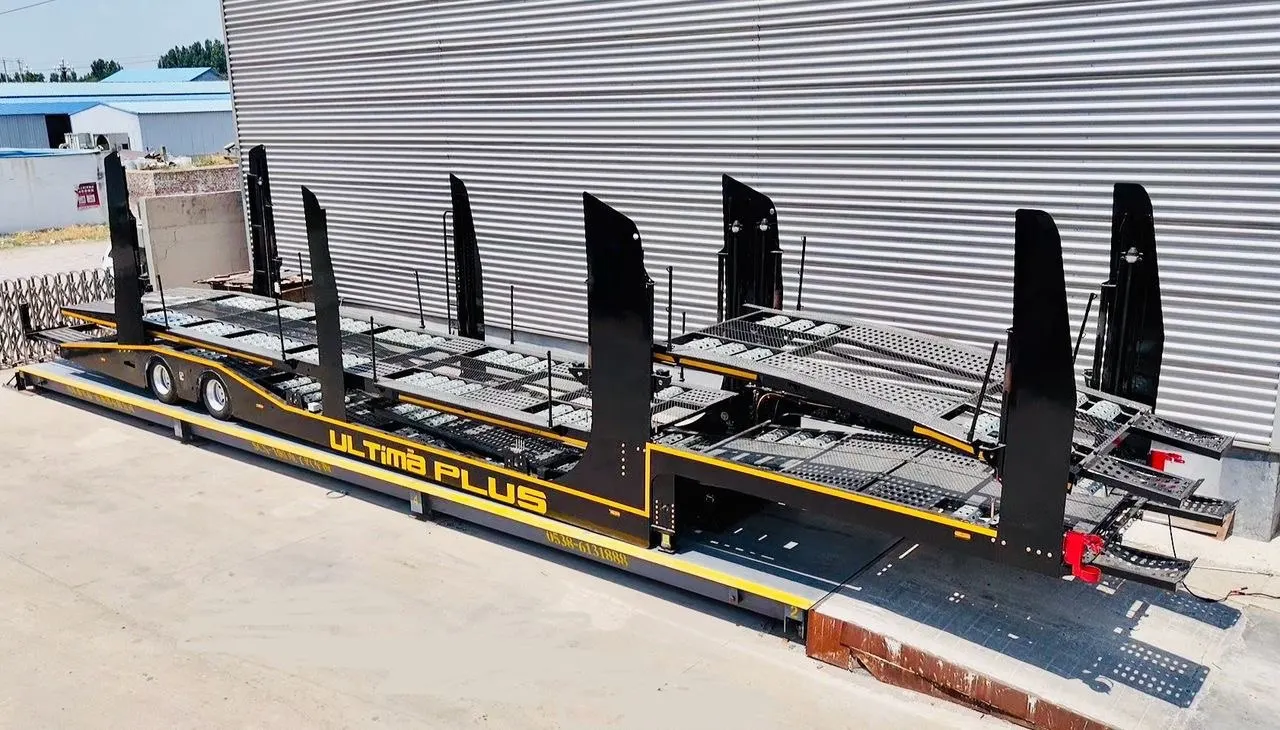
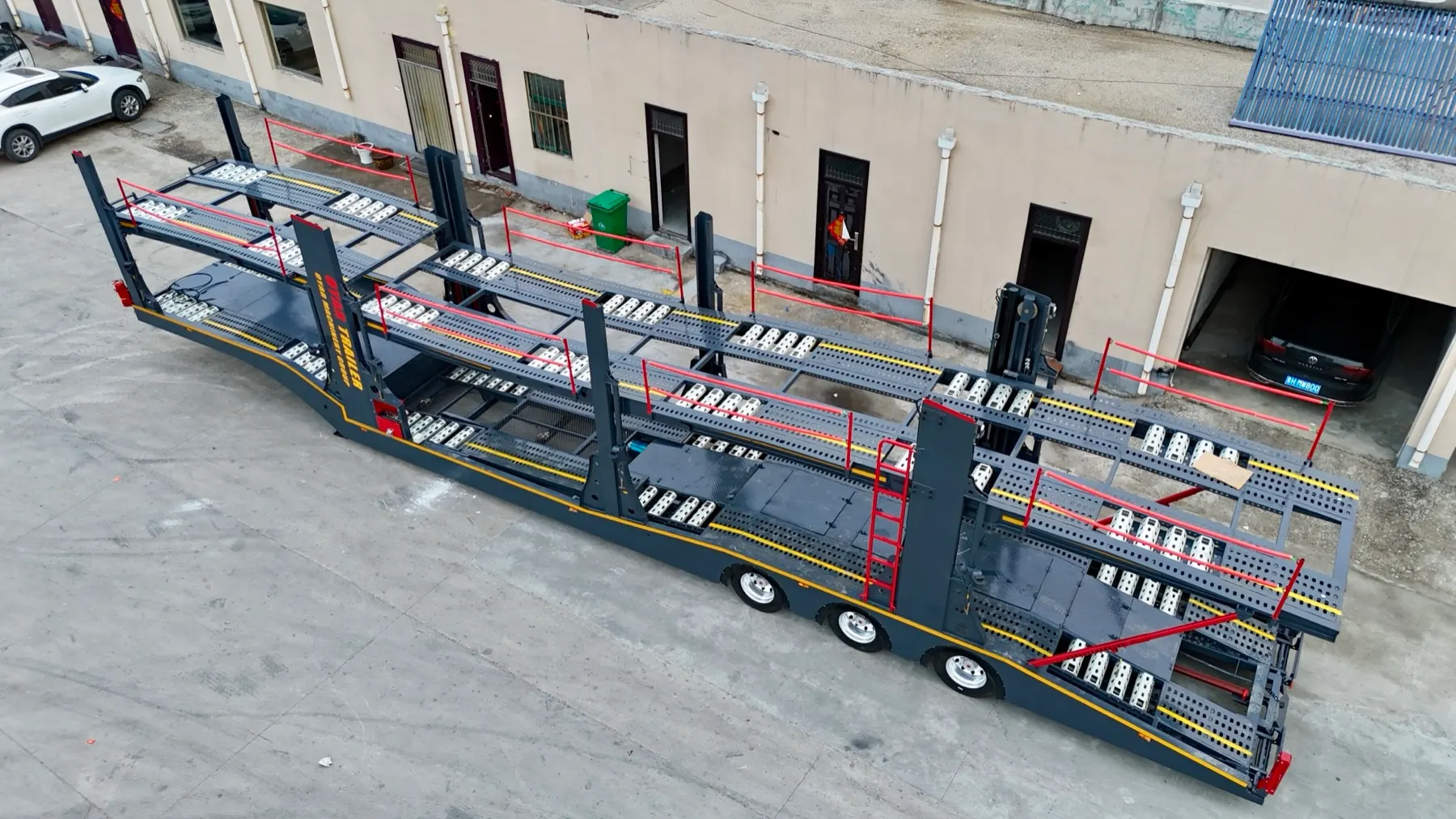
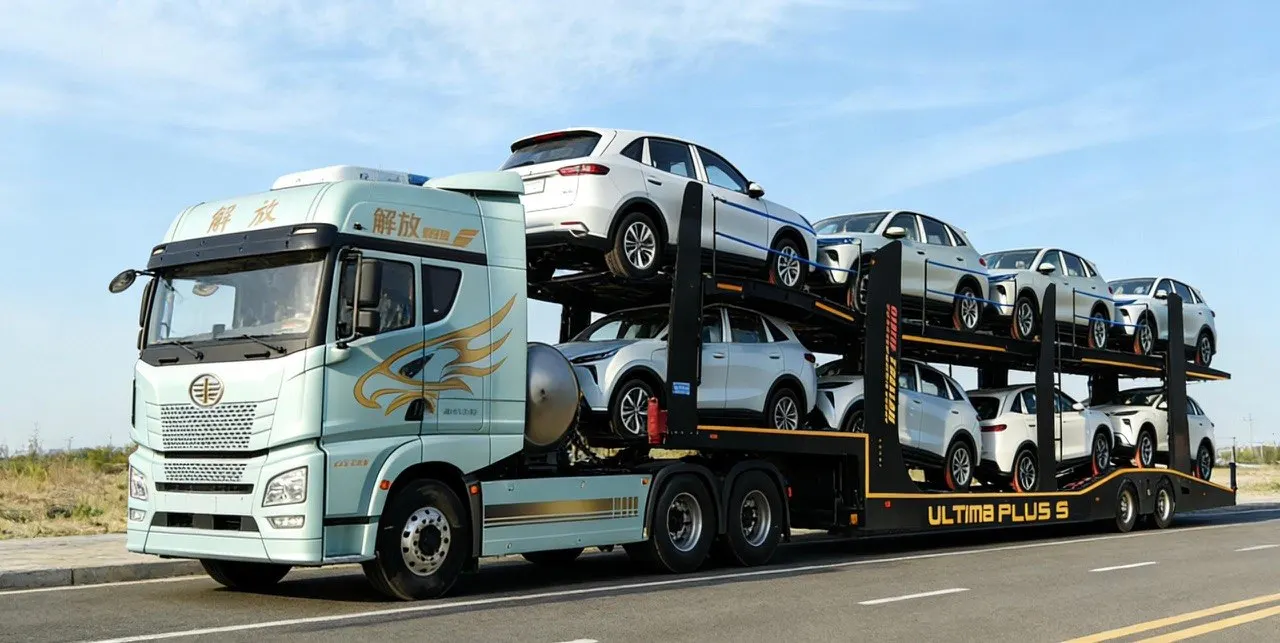
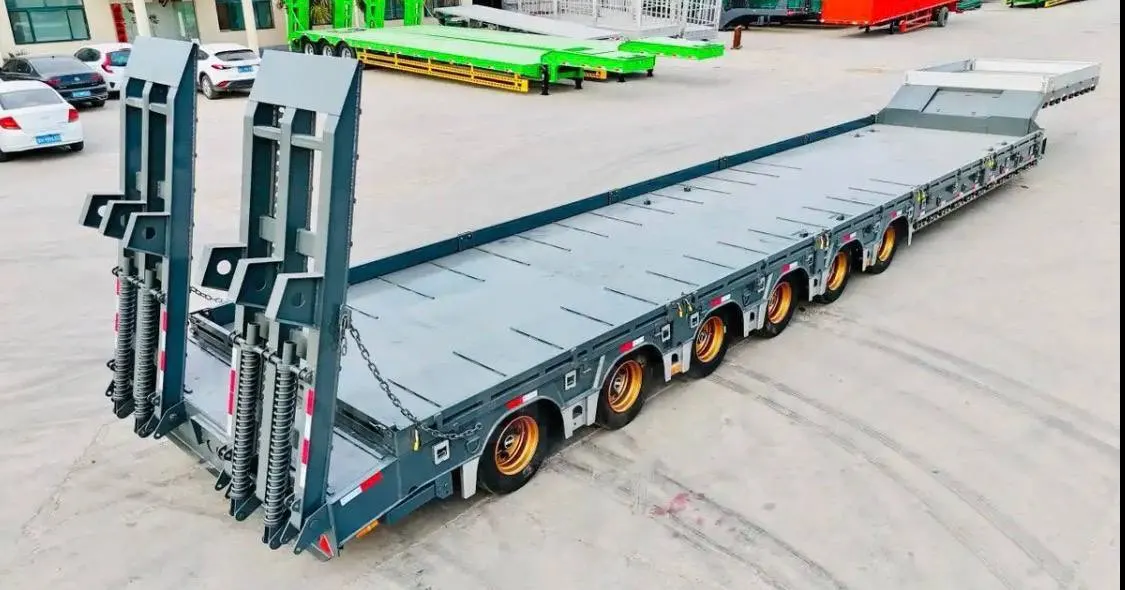
The launch range should reflect active customer conversations, not a full catalogue dump. Car carriers, lowbeds, container chassis, flatbeds and special trailers can all be part of the program, but each family still needs its own cargo, route, tractor, local requirement and documentation inputs before a stocking recommendation or dealer price can be treated as comparable.
Separate demonstration stock, named projects and repeat supply
The first order should state whether it supports a named fleet project, display or demonstration stock, a private-label pilot or regular inventory. That choice changes the model mix, spare-parts scope, branding work, inspection depth and production sequence. MOQ starts from 3 units, typical production is approximately 3 weeks after technical and commercial approval, and freight timing is confirmed separately.
Set the service, spare-parts and claim boundary early
Before regional terms are discussed, both sides should document who receives technical questions, which components should be standardized, what spare parts accompany the first shipment and how warranty or quality claims are recorded. Complete factory-built units carry a 12-month warranty on main assemblies under the agreed contract, while CKD or SKD projects need a written split between factory scope, local assembly responsibility and the finished-unit boundary.
Use OEM, CKD and local assembly only with a written responsibility split
Private-label branding, paint, markings and documentation can be coordinated in the OEM workflow. Complete trailers, CKD, SKD or component supply may be reviewed after the local facility, tooling, inspection capability, volume and responsibility split are known. Local assembly is not treated as equivalent to a factory-completed unit unless quality control, inspection points and warranty responsibility are defined in writing.
Ask for evidence before territory promises
A qualified dealer launch file should include the company profile, market coverage, target buyer groups, first-order plan, expected repeat volume and current service capability. It should also state whether the buyer needs photo records, agreed inspection points, final pre-shipment inspection coordination, certificate documentation for buyer review and freight support with logistics partners. Exclusivity is not automatic; a pilot with measurable customer activity is safer than promising a territory before the operating model is proven.
Confirmed manufacturing framework
Production is based in Jinan, China. Projects can be configured from 12 to 24 metres in length with custom height to the approved specification. MOQ starts from 3 units, and typical production time is approximately 3 weeks after technical and commercial approval.
Components, supply format and control
Axles, suspension, brakes and other components can use Ultima/OEM Chinese solutions or established brands. Every model can be evaluated as a complete trailer, private-label OEM, CKD, SKD or component supply. Agreed inspection points, production photos and final pre-shipment inspection are documented.
Warranty, certificates and logistics
Factory-completed units carry a 12-month warranty on main assemblies. Locally assembled projects do not carry a blanket factory warranty on the finished unit; component and assembly responsibilities are defined in the contract. Certificate documents are available for review and confirmed per destination. Freight and vessel arrangements can be coordinated with logistics partners.