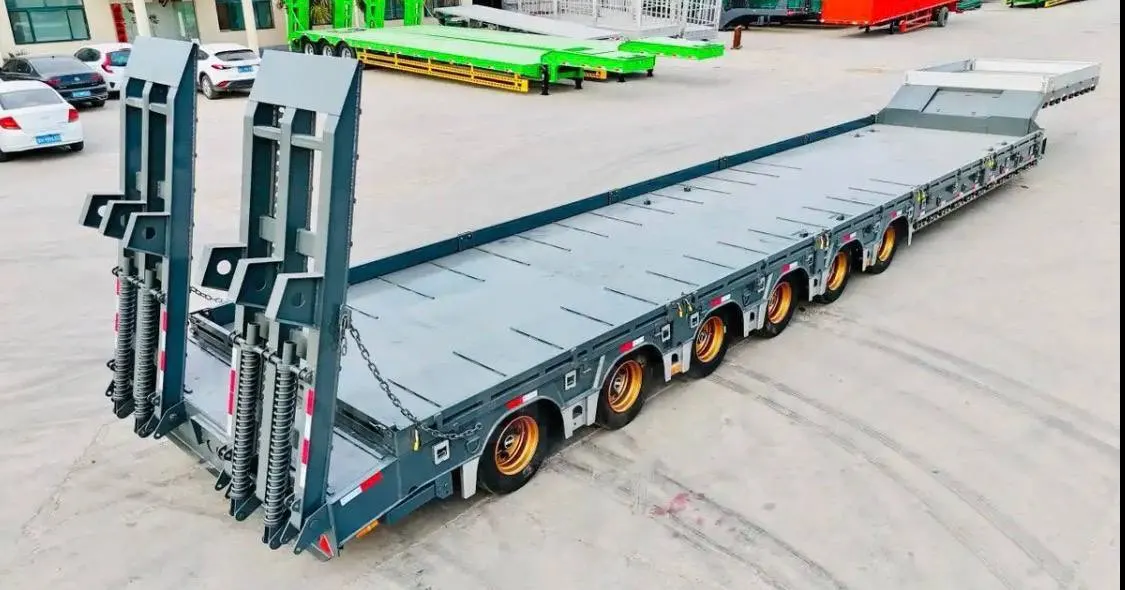
Start with the vehicle matrix
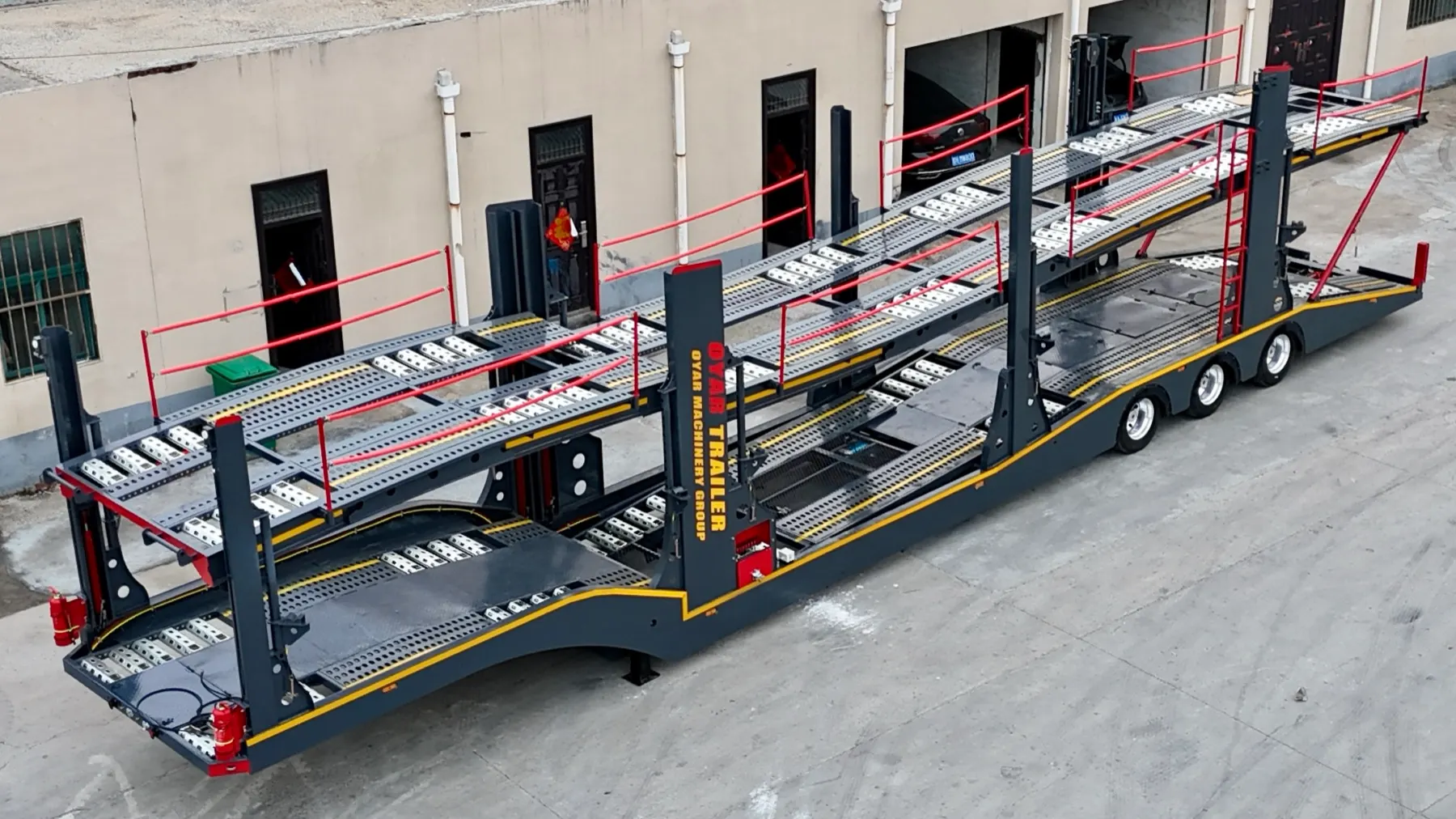
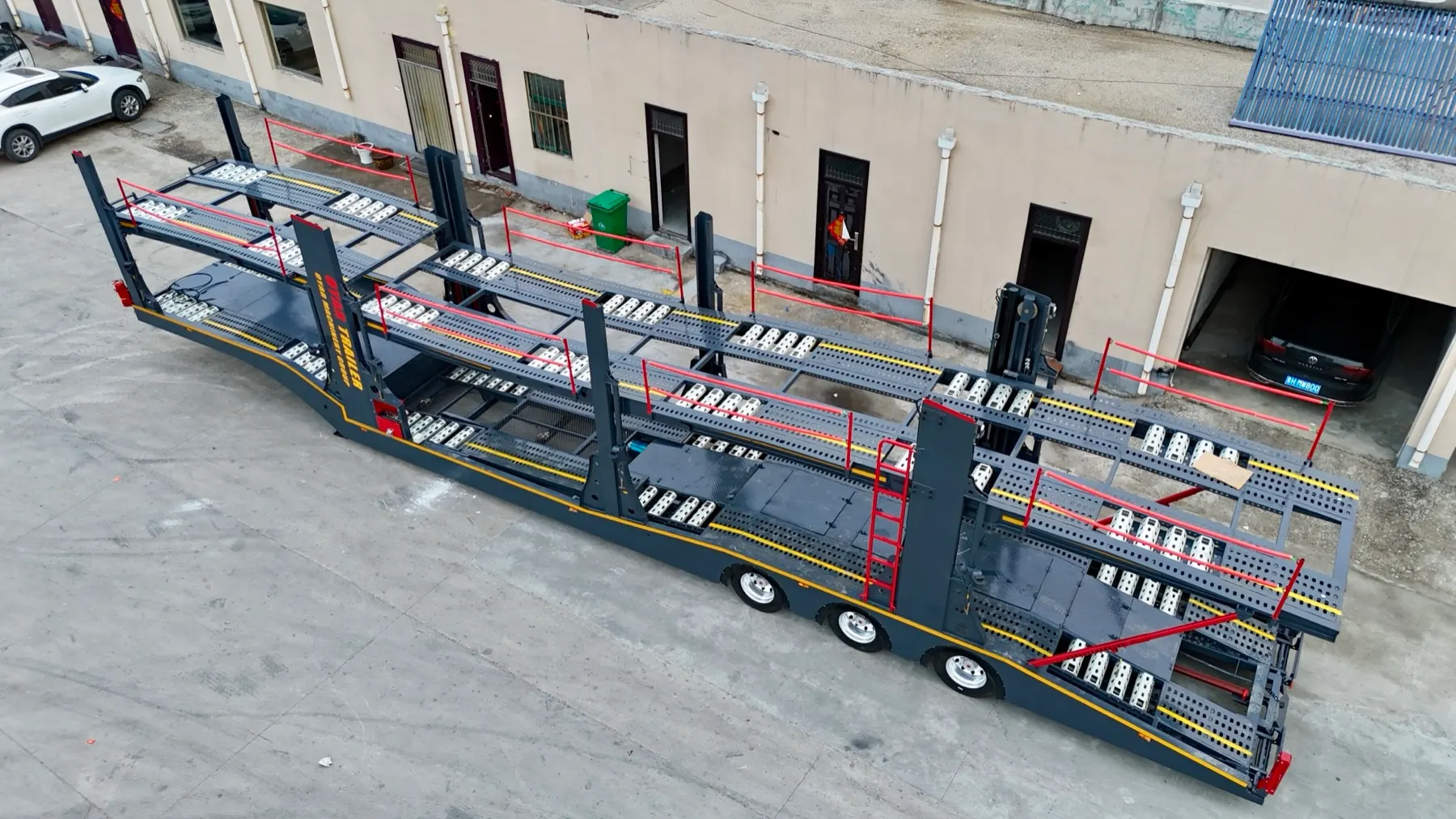
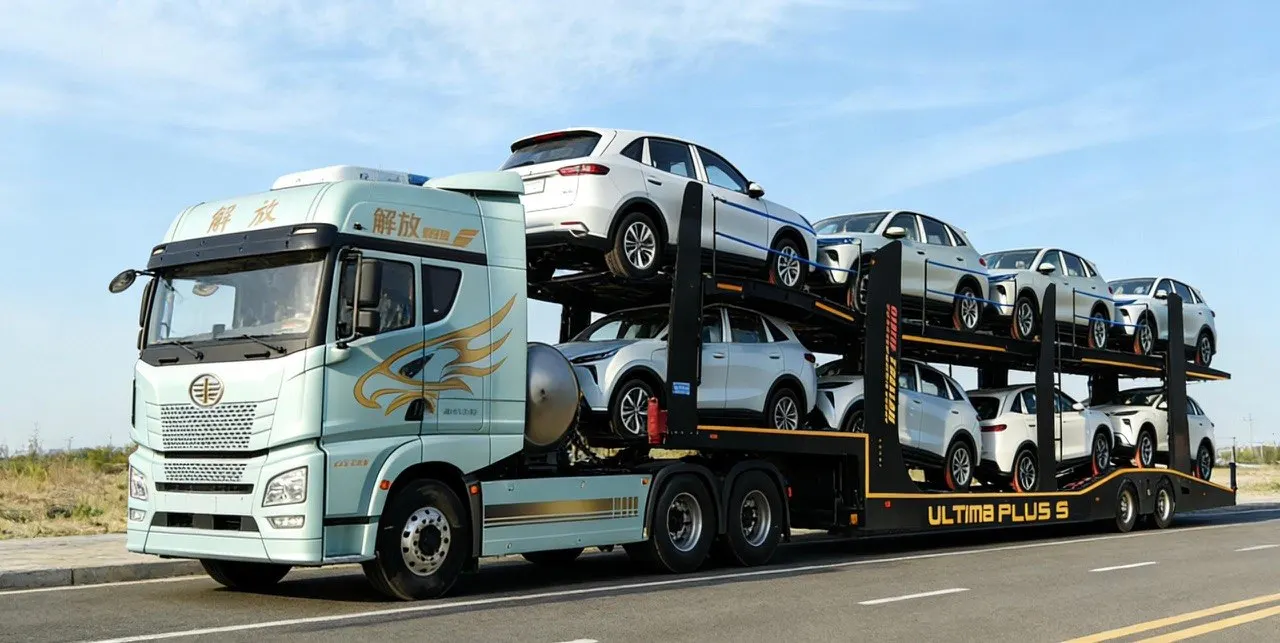
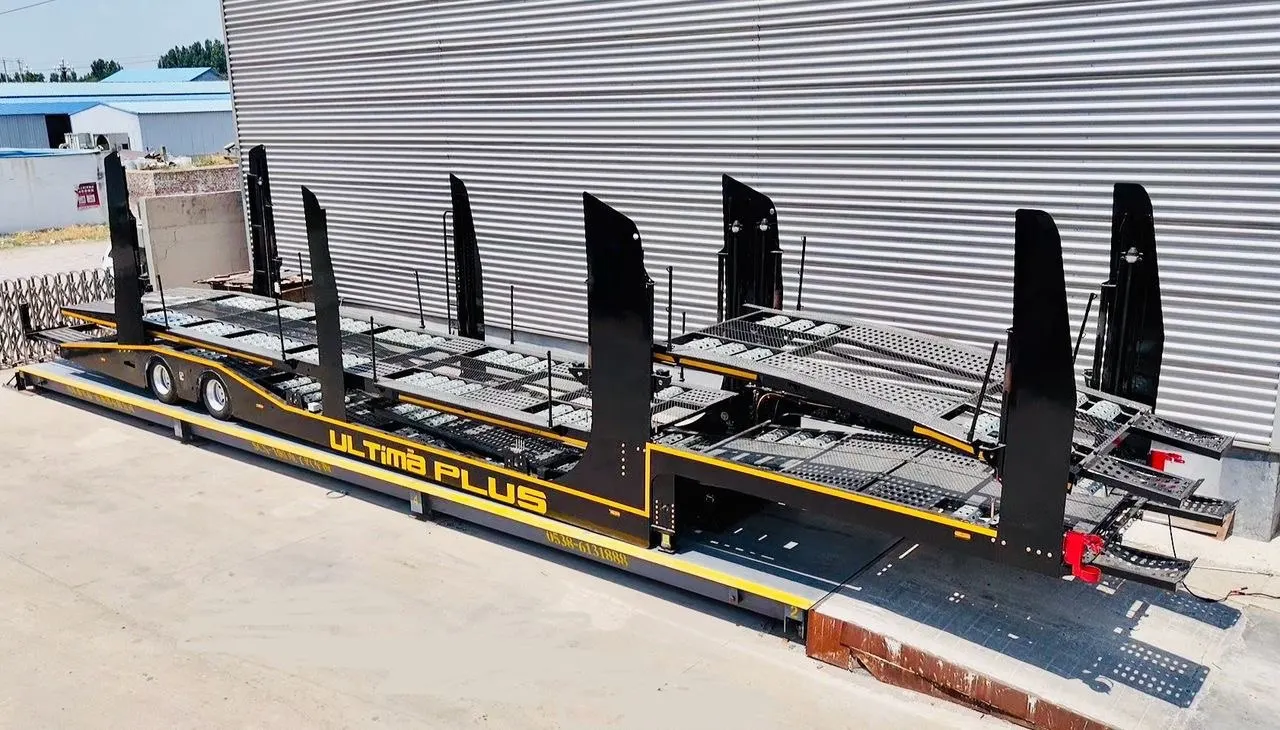
Car-carrier capacity is not a fixed catalogue number. The buyer should list the passenger cars, SUVs, light commercial vehicles or other units expected in the operating cycle, including representative dimensions and the required mixed-load combinations. That matrix is used to review deck geometry, loading order, axle arrangement and the usable loading envelope.
Loading sequence and route envelope
The technical file should show how vehicles enter, move between decks and leave the trailer, together with loading-site gradients, ramp approach, route-clearance limits, turning constraints and the tractor interface. A configuration that loads efficiently at one terminal may be unsuitable for another route or vehicle mix.
Hydraulic, mechanical and control scope
Hydraulic or mechanical loading functions, ramps, locks, cylinders, controls, safety points and driver workflow are defined from the approved operating sequence. The quotation should distinguish included systems from options and record the functional checks required before shipment.
Running gear follows the approved duty
Axle count, suspension, braking package, tyres, electrical interface and component brands are selected after the vehicle matrix, route, tractor and destination requirements are known. Unknown values remain open technical items instead of being presented as confirmed specifications.
Complete trailer, OEM, CKD or SKD
A car-carrier project can be evaluated as a factory-completed unit, private-label OEM, CKD, SKD or component supply. Branding, paint, markings, packing, local assembly work, inspection responsibility and warranty allocation are documented in the approved contract.
Confirmed manufacturing framework
Production is based in Jinan, China. Projects can be configured from 12 to 24 metres in length with custom height to the approved specification. MOQ starts from 3 units, and typical production time is approximately 3 weeks after technical and commercial approval.
Components, supply format and control
Axles, suspension, brakes and other components can use Ultima/OEM Chinese solutions or established brands. Every model can be evaluated as a complete trailer, private-label OEM, CKD, SKD or component supply. Agreed inspection points, production photos and final pre-shipment inspection are documented.
Warranty, certificates and logistics
Factory-completed units carry a 12-month warranty on main assemblies. Locally assembled projects do not carry a blanket factory warranty on the finished unit; component and assembly responsibilities are defined in the contract. Certificate documents are available for review and confirmed per destination. Freight and vessel arrangements can be coordinated with logistics partners.
Inspection and acceptance file
Agreed production checkpoints can include drawing approval, component confirmation, fabrication records, loading-system checks, production photographs and final pre-shipment inspection. Buyer-supplied acceptance criteria should be provided before production so the inspection file matches the commercial promise.
Information for a useful car-carrier RFQ
Send company, destination, vehicle matrix, loading combinations, route-clearance limits, loading-site conditions, tractor data, quantity, preferred operating system, component preferences, branding scope and procurement timing. Drawings and final capacity are confirmed only after engineering review.
Confirmed manufacturing framework
Production is based in Jinan, China. Projects can be configured from 12 to 24 metres in length with custom height to the approved specification. MOQ starts from 3 units, and typical production time is approximately 3 weeks after technical and commercial approval.
Components, supply format and control
Axles, suspension, brakes and other components can use Ultima/OEM Chinese solutions or established brands. Every model can be evaluated as a complete trailer, private-label OEM, CKD, SKD or component supply. Agreed inspection points, production photos and final pre-shipment inspection are documented.
Warranty, certificates and logistics
Factory-completed units carry a 12-month warranty on main assemblies. Locally assembled projects do not carry a blanket factory warranty on the finished unit; component and assembly responsibilities are defined in the contract. Certificate documents are available for review and confirmed per destination. Freight and vessel arrangements can be coordinated with logistics partners.