Model page

OEM semi-trailer manufacturing

Build under the buyer's brand, drawings and approved component specification, with scope confirmed before sample or series production.

OEM semi-trailer manufacturing

Specification

Export configuration

  • Custom dimensions and payload
  • Axle, suspension and braking system defined in the approved specification
  • Mechanical or hydraulic functions matched to the loading task
  • Dimensions and payload reviewed against cargo and route
  • Coating, branding and export packing agreed before production

Commercial fit

Information needed for a useful offer

A factory quotation is meaningful only when it reflects the cargo, operating route and required configuration. These inputs help avoid a generic price that changes after technical review.

Best-fit buyers

  • Distributors building a private-label trailer range for one or more markets
  • Fleet brands that need repeatable component standards and documented change control
  • Project buyers comparing complete OEM supply with CKD, SKD or component scope
Send with the request

  • Brand scope, target markets and product families included in the first OEM phase
  • Drawings, reference trailer, approved component expectations and sample-versus-series plan
  • Annual volume, packaging, documentation language and destination approvals already confirmed by the buyer

Brand and product scope

Logo placement, paint system, identification plates, documentation language and packaging can be specified for the project.

Engineering route

The buyer may provide drawings, a reference trailer or a requirements file. Changes are documented before production approval.

Sample and series

A sample-first route, inspection plan and repeat-order process can be discussed. MOQ starts from 3 units and typical production is approximately 3 weeks after approval; tooling, payment and project-specific terms are confirmed in writing.

Component freeze and repeat-order control

OEM projects are easier to scale when the first order freezes a component baseline, approved alternates, documentation language, branding points and change-approval workflow. This keeps later repeat orders aligned with the agreed sample instead of drifting under generic part substitutions.

Complete units, CKD and local responsibility

An OEM file may be reviewed as complete units, CKD, SKD or component supply. When local assembly is involved, factory scope, local work, inspection responsibility and warranty boundaries must be split in writing before the pilot order is approved.

Separate repeat-order changes from the approved OEM baseline

When requesting a repeat order, attach the accepted drawing and component list rather than sending only the previous invoice number. Ask the supplier to identify which items remain unchanged, which are proposed substitutes and which require a fresh sample or review. Keep branding artwork and documentation revisions in the same request. Record the effect of each proposed change on inspection, packing and delivery scope before comparing the revised quotation. An earlier acceptance applies to the configuration that was reviewed; it does not automatically approve a new component or a different destination requirement.

Confirmed manufacturing framework

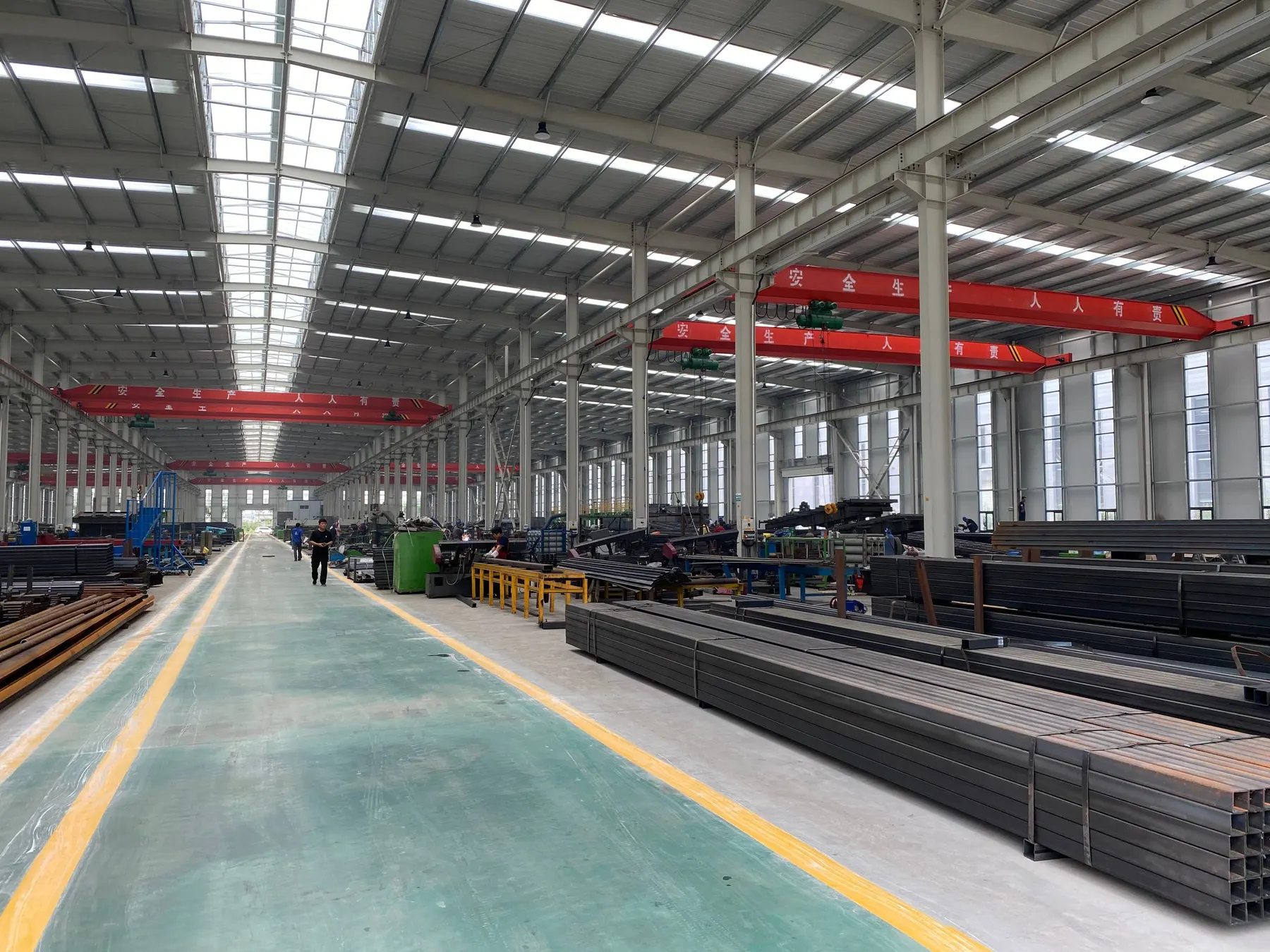
Production is based in Jinan, China. Projects can be configured from 12 to 24 metres in length with custom height to the approved specification. MOQ starts from 3 units, and typical production time is approximately 3 weeks after technical and commercial approval.

Components, supply format and control

Axles, suspension, brakes and other components can use Ultima/OEM Chinese solutions or established brands. Every model can be evaluated as a complete trailer, private-label OEM, CKD, SKD or component supply. Agreed inspection points, production photos and final pre-shipment inspection are documented.

Warranty, certificates and logistics

Factory-completed units carry a 12-month warranty on main assemblies. Locally assembled projects do not carry a blanket factory warranty on the finished unit; component and assembly responsibilities are defined in the contract. Certificate documents are available for review and confirmed per destination. Freight and vessel arrangements can be coordinated with logistics partners.

Main export models

Core trailer models for export buyers

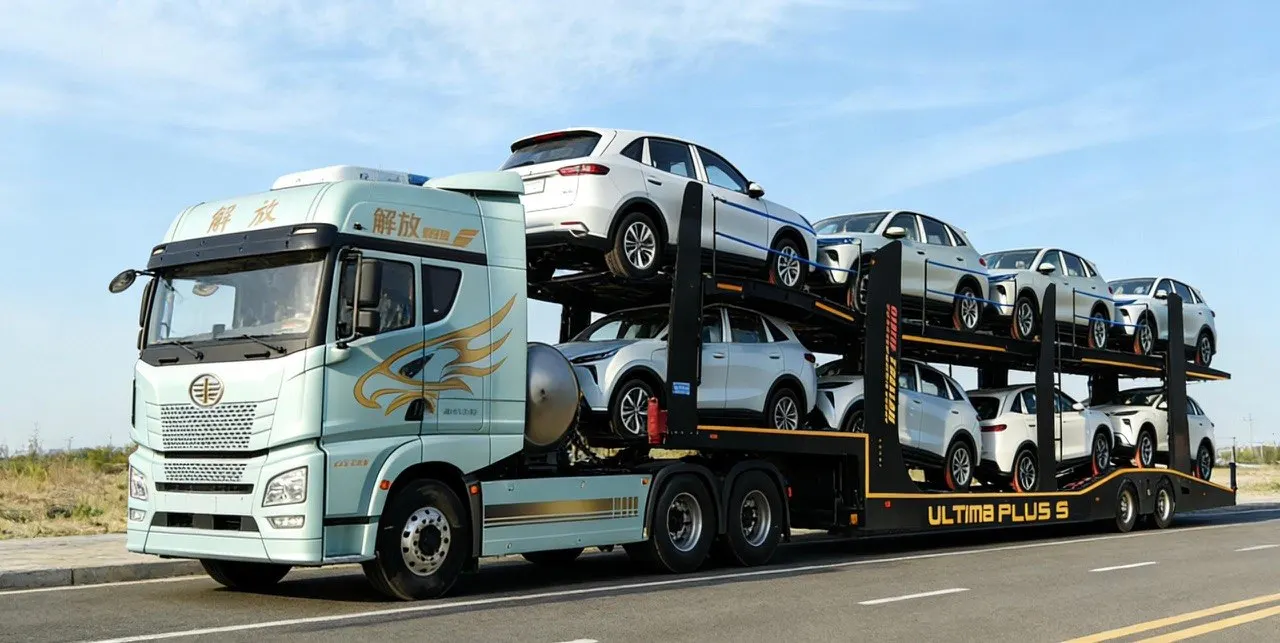
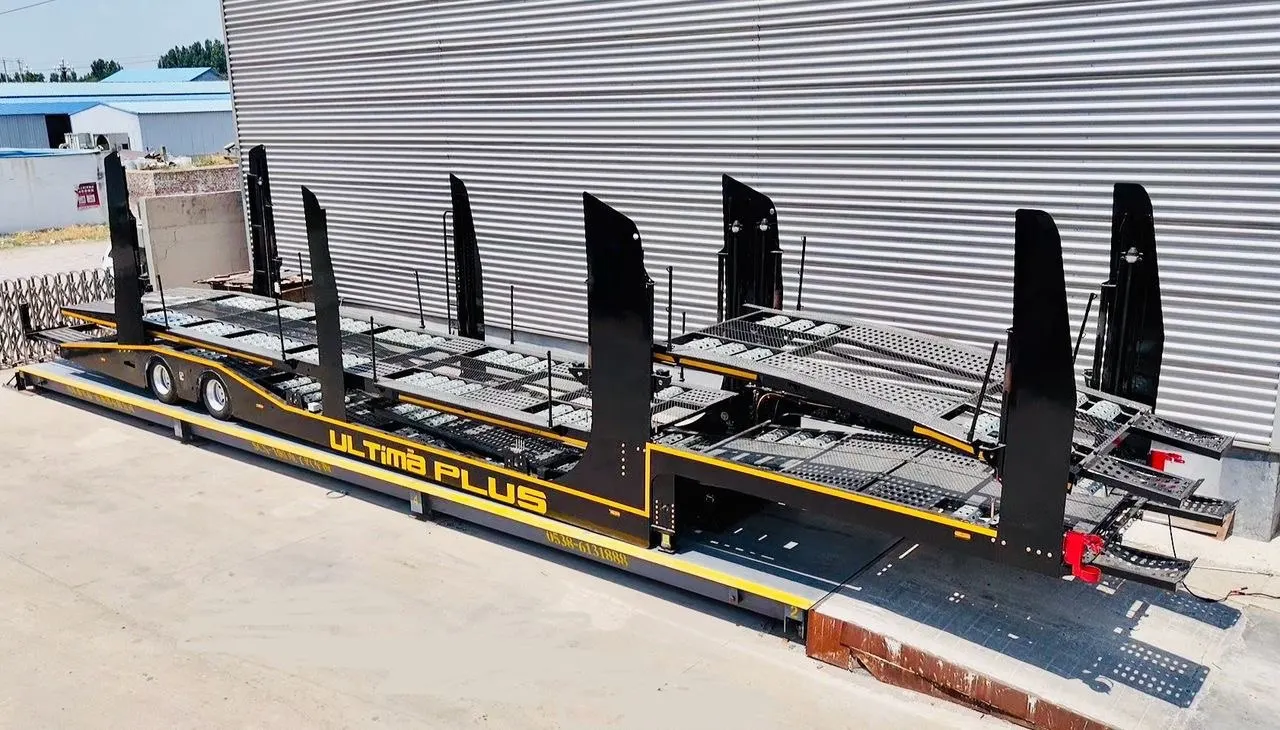
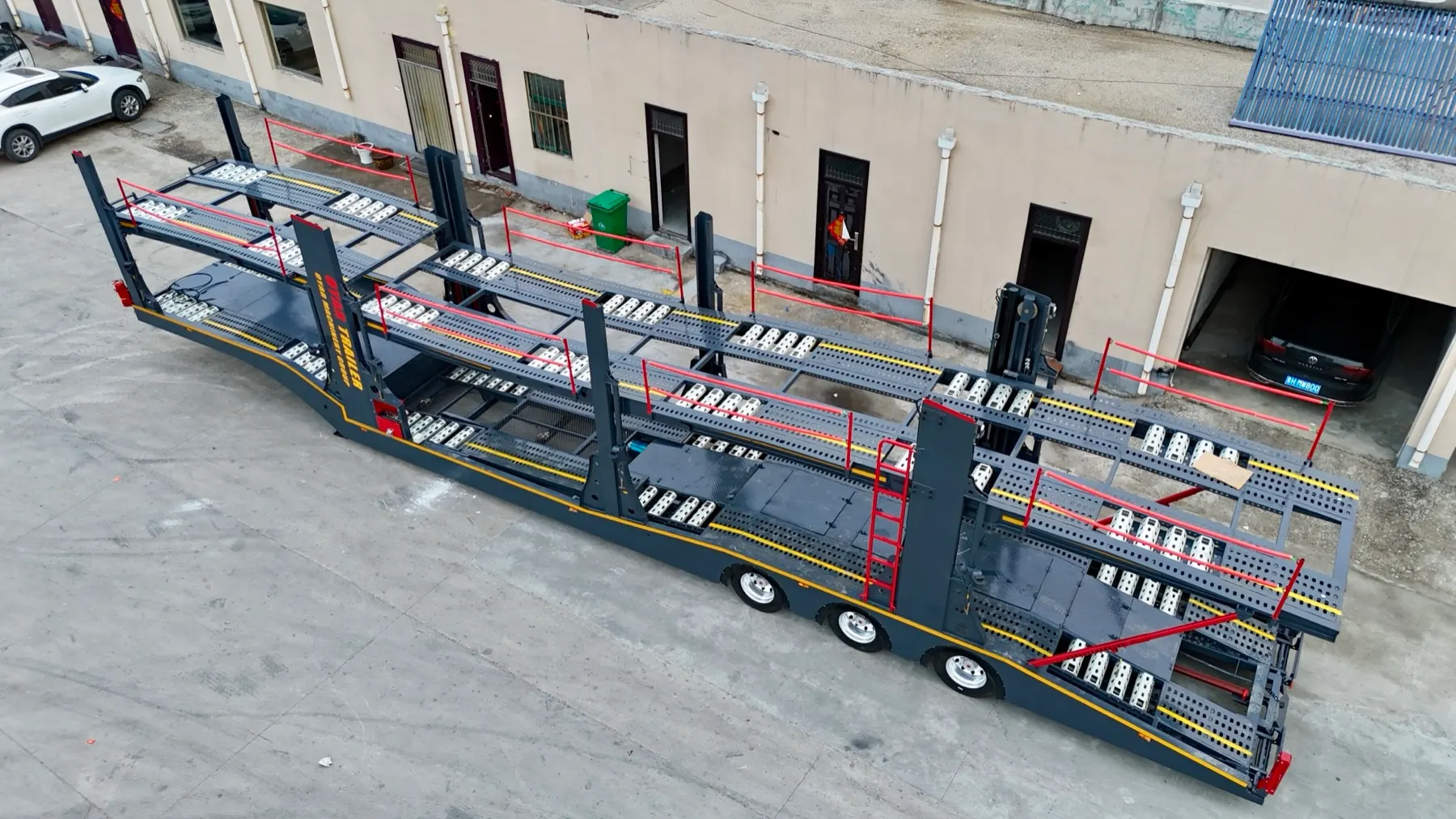
Car carrier trailers

Car carrier trailers

Configured around vehicle mix, loading method and route

Quote to specification
Flatbed trailers

Flatbed trailers

For containers, steel, construction materials and general freight

Quote to specification
Container chassis

Container chassis

Fixed or configurable chassis for port and intermodal work

Quote to specification
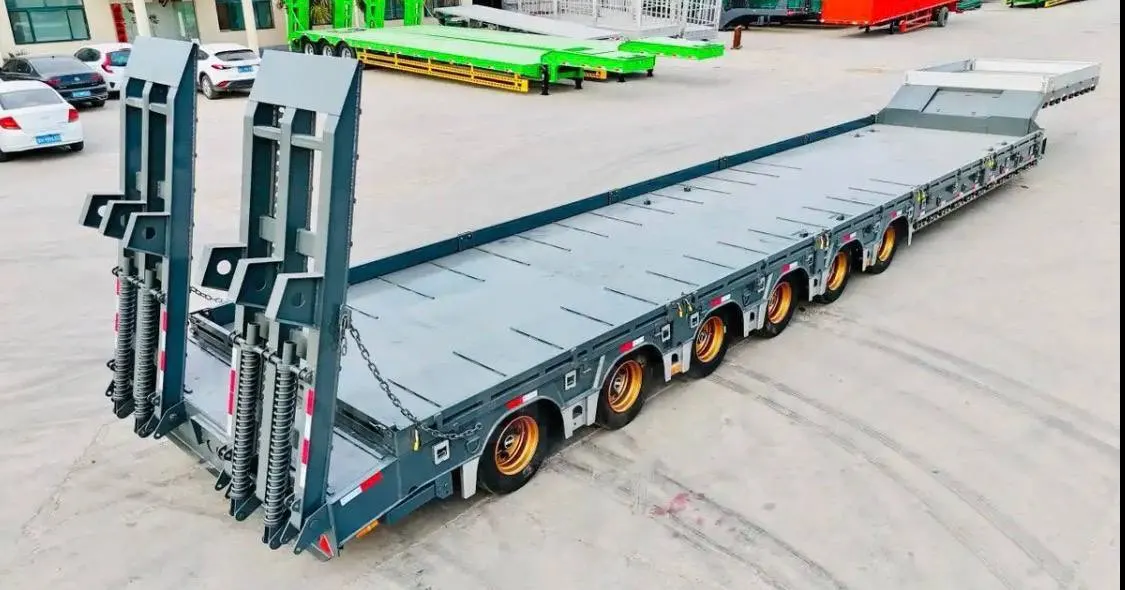
Lowbed trailers

Lowbed trailers

For machinery, project cargo and heavy-haul operations

Quote to specification

FAQ

Frequently asked questions

Can Ultima manufacture under our brand?

Private-label scope can be evaluated after the brand, drawings, market and order plan are reviewed.

Can we use our own drawings?

Yes, drawings can be reviewed, but engineering responsibility and approval terms must be defined in writing.

Should an OEM project approve a sample before series production?

That is usually the safer route when the project introduces a new brand, new drawings or a component baseline that needs to stay stable across repeat orders.

Is regional exclusivity automatic?

No. Any regional arrangement depends on territory, volume, service capability and an agreed sales plan.

B2B inquiry

Send specifications or an inquiry

Complete the information you have. Missing technical points will be reviewed before an offer is prepared.

B2B inquiry

Send your technical task, drawing or required characteristics

Include destination, trailer type, quantity, cargo and configuration so the factory proposal reflects the real operation.